رحلات Western Mediterranean البحرية من Rome (Civitavecchia), Italy في August 2027
تنطلق 3 رحلة إلى Western Mediterranean من Rome (Civitavecchia), Italy في August 2027، بمدة تتراوح بين 7-9 ليالٍ.
+12 أخرى
كيفية الوصول
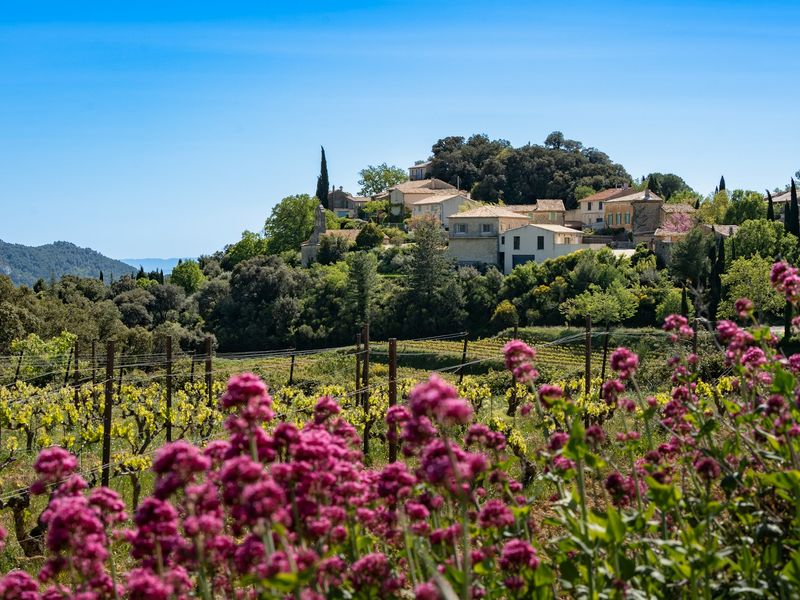 Western Mediterranean
7-Night Western Mediterranean Cruise on Norwegian Epic
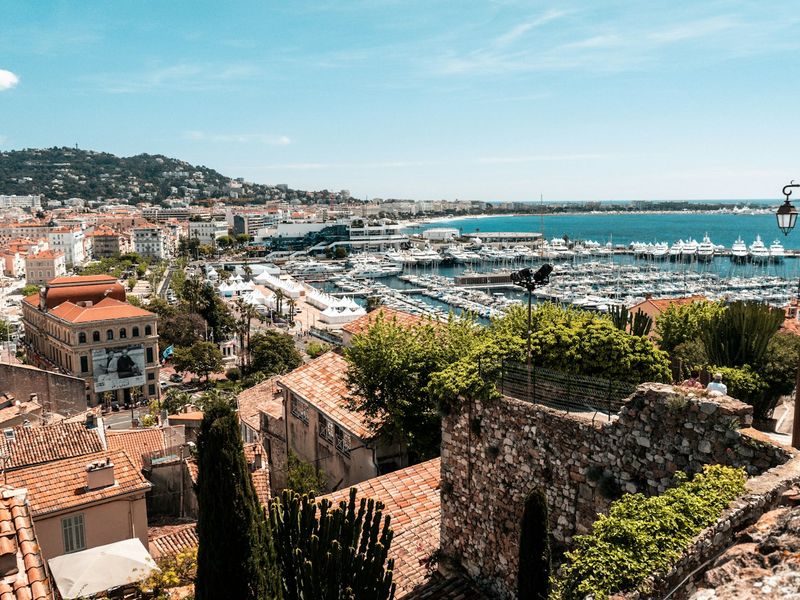 Western Mediterranean
9-Night Italian Riviera, France & Spain
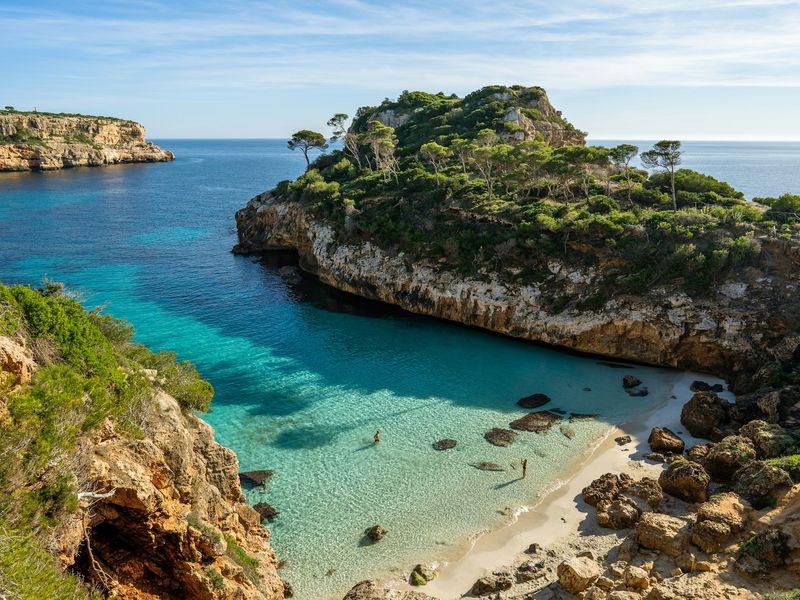 Western Mediterranean
.svg.webp?dpl=dpl_4PSF6BDAdqQRvsksj7iP3RGW9ZPy)
7-Night Western Mediterranean
أماكن قريبة تستحق الزيارة
عن Rome (Civitavecchia), Italyاقرأ الدليل الكاملعرض أقل
Cruises to Rome (Civitavecchia)
Cruises to Rome, via the port of Civitavecchia, are a near-universal stop on Western Mediterranean itineraries, typically 7 to 12 nights round trip from Barcelona, Rome itself, or Civitavecchia, alongside ports like Naples, Florence/Pisa (La Spezia) and the French and Spanish Riviera. Because the transfer from the port to central Rome takes over an hour each way, this stop usually anchors a full shore-excursion day rather than being combined casually with independent exploration. The season runs April through October in line with the broader Mediterranean calendar, with cruise lines scheduling the longest port days of any Western Mediterranean call here specifically to accommodate the transfer time.
The Port for the Eternal City
Civitavecchia is Rome's cruise port, sitting roughly an hour from the city center by car or train — a genuine journey rather than a short hop, which makes Rome one of the more logistically involved port days in the Mediterranean, but also one of the most rewarding given what's on offer at the other end. Nearly every cruise line calling here structures the day around Rome itself rather than the port town, which has its own modest charm but isn't the draw for most passengers.
What to See
The Colosseum and Roman Forum anchor most first-time visits, offering a direct, physical sense of ancient Rome that's hard to get anywhere else in the world. Vatican City, technically a separate sovereign state within Rome, holds St. Peter's Basilica and the Vatican Museums, home to the Sistine Chapel — both genuinely require significant time to see properly, which is part of why a single Rome port day involves real trade-offs about what to prioritize. The Trevi Fountain, Pantheon and Spanish Steps round out the classic highlights, all within walking distance of each other in the historic center, making them easier to combine into one itinerary than the more spread-out ancient sites.
Food and Culture
Roman cuisine has its own distinct dishes worth seeking out specifically — cacio e pepe, carbonara, and amatriciana are all Roman in origin, not generic "Italian" dishes, and a proper trattoria meal is a highlight for many visitors regardless of how much sightseeing the day includes. The Trastevere neighborhood, across the Tiber from the main historic center, offers a more local, less tourist-dense atmosphere for a meal, along with its own charming medieval streets. Gelato is, unsurprisingly, everywhere, and genuinely worth seeking out from a shop making it fresh on-site rather than from a display case with unnaturally bright colors.
Getting Around
Given the distance from Civitavecchia to Rome, most cruise passengers either book a shore excursion that includes transport, arrange a private transfer, or take the regional train, which is the most economical option and takes roughly 45-80 minutes depending on the service. Within Rome itself, the historic center is dense enough that walking covers most major sites, though the metro and buses fill in gaps for anyone short on time or energy. Given how much ground there is to cover and how limited a single port day is, an organized excursion with a knowledgeable guide is genuinely more valuable in Rome than in many other Mediterranean ports, simply because of how much history requires context to appreciate fully.
Best Time to Visit
The Mediterranean cruise season here runs April through October, and Rome sees serious summer crowds and heat at its major sites, particularly the Colosseum and Vatican Museums, where lines can be long without advance booking. Spring and autumn offer noticeably more comfortable conditions for a day involving significant walking, and are generally the preferred window for travelers with flexibility in when they sail.
Practical Tips for Cruise Passengers
Given the round-trip transit time to and from Civitavecchia, a Rome port day genuinely requires choosing priorities rather than attempting to see everything — trying to fit in the Colosseum, Vatican and historic center on foot in one day is a common overreach that leaves little time to actually absorb any of it. Booking skip-the-line tickets for the Colosseum and Vatican Museums in advance is close to essential in peak season, since same-day access can involve multi-hour waits. Building in a buffer before your ship's all-aboard time is also worth doing given the transit distance — Rome traffic and train schedules leave less margin for error than a port sitting directly beside its city center, so an organized shore excursion with a guaranteed return transfer offers real peace of mind for this specific port compared with independent travel.
History and Character
Few cities anywhere carry as many visible layers of history as Rome — ancient imperial ruins sit within walking distance of Renaissance palaces, Baroque fountains and a modern capital city functioning around all of it simultaneously. The Roman Forum and Palatine Hill, adjacent to the Colosseum, are often less crowded than the Colosseum itself despite being at least as historically significant, and reward visitors willing to spend time there rather than treating the Colosseum as the sole "ancient Rome" stop. The city's layering of history isn't curated into separate museum districts the way some cities organize their heritage — it's woven directly into daily life, with modern apartment buildings sometimes standing directly atop ancient foundations, which is part of what makes wandering Rome's streets, not just its named monuments, genuinely rewarding.
Nearby Excursions
Civitavecchia itself, beyond serving purely as a transit point, has its own modest historic center and a Michelangelo-designed fortress worth a brief look for travelers who'd rather skip the Rome transfer entirely and explore closer to the ship. Ostia Antica, the well-preserved ruins of ancient Rome's main port city, offers a genuinely excellent, less crowded alternative to central Rome for visitors specifically interested in Roman archaeology without the crowds of the Colosseum — and it sits considerably closer to Civitavecchia than central Rome does, making it a practical choice for a shorter, more relaxed port day.
Food and Daily Life in Rome
Roman meal timing runs later than much of Northern Europe and considerably later than North America — lunch typically starts around 1pm and dinner rarely begins before 8pm — which is worth knowing if you're trying to fit a proper sit-down meal into a tightly scheduled port day rather than grazing on quicker options. Coffee culture carries its own etiquette too: cappuccino is considered a morning drink, rarely ordered after a meal, while espresso (simply called "caffè") is the standard way to finish lunch or dinner. For a quicker, still-authentic taste of Rome, a slice of pizza al taglio (sold by weight from a tray, distinct from a full pizza) or a well-made panino from a local alimentari makes an easy, efficient stop between sightseeing without sacrificing genuine local flavor for convenience.