رحلات Arabian Gulf البحرية
رحلات Arabian Gulf البحرية غير متاحة حالياً
شركات الرحلات البحرية لا ترسل سفنها إلى Arabian Gulf حالياً، لذا لا توجد رحلات متاحة هناك للحجز. إليك رحلات بحرية يمكنك حجزها اليوم بدلاً من ذلك.

Singapore
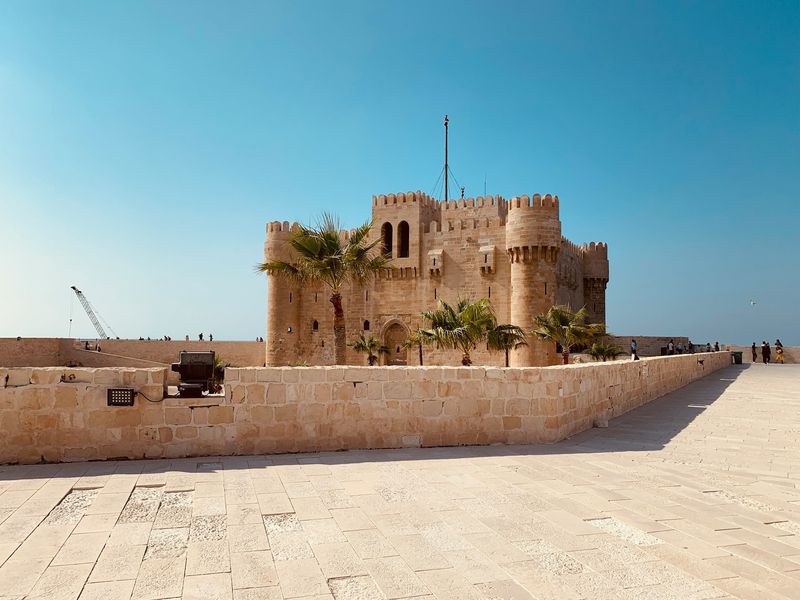
Red Sea

Western Mediterranean
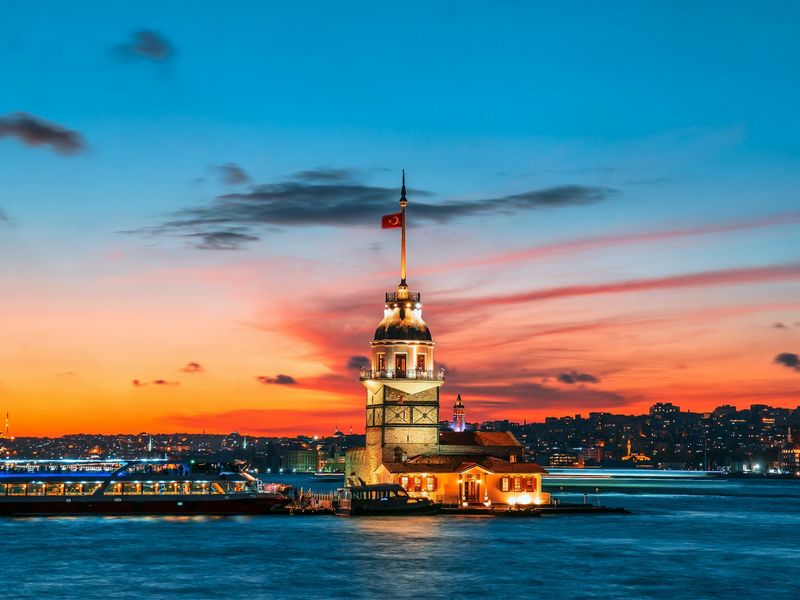
Eastern Mediterranean

Asia

Northern Europe

Norwegian Fjords
-800x600.jpg?dpl=dpl_4vKVTNawseWu2wptpYdpGG3XHB7J)
Middle East

Scandinavia

Egypt

Southeast Asia

Türkiye
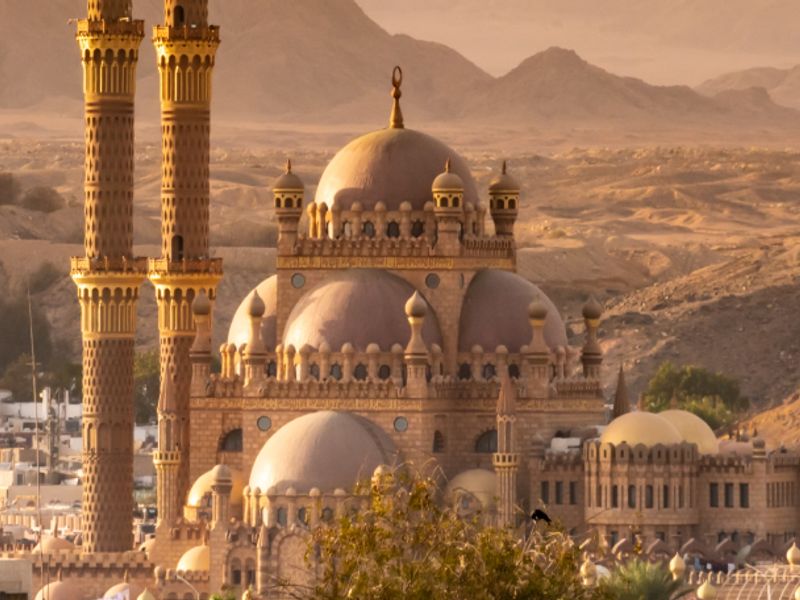
Africa
Mediterranean Sea
Turkey
-800x600.jpg?dpl=dpl_4vKVTNawseWu2wptpYdpGG3XHB7J)
Eastern Caribbean

Antarctica
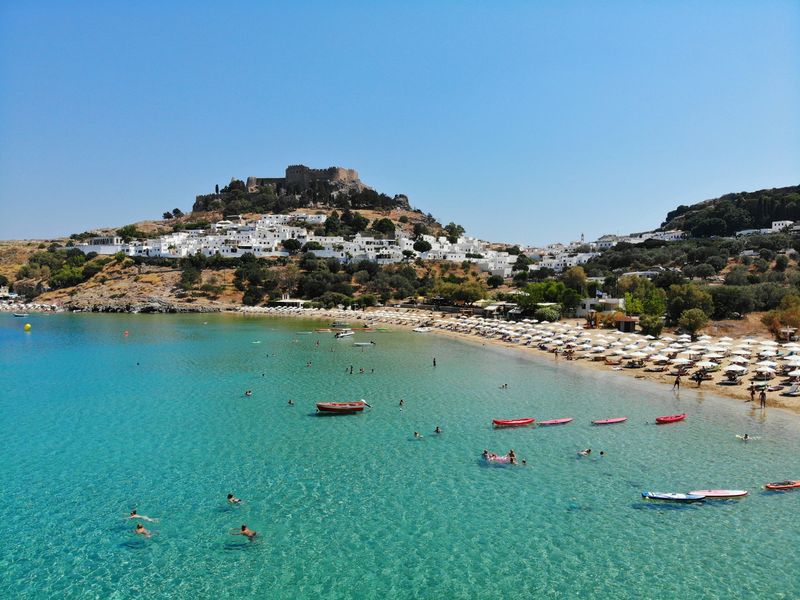
Greek Isles & Croatia

Eastern Europe
عن رحلات Arabian Gulf البحريةاقرأ الدليل الكاملعرض أقل
The Arabian Gulf has quietly become one of the world's most convenient winter cruise regions — a compact stretch of coastline where a single week aboard ship can take you from the glass towers of Dubai to the mountain fjords of Musandam to the old souks of Muscat, with almost none of the long sea days that define an Atlantic or Pacific crossing. For travelers based in the Middle East, South Asia or East Africa, it also solves the single biggest friction point of cruising elsewhere: the flight. Most regional departure ports are a few hours from home rather than a long-haul journey, which makes a first cruise feel far less like a commitment and far more like an easy long weekend that happens to visit four or five countries.
Where You Can Go
Round-trip Arabian Gulf itineraries almost always begin in Dubai or Abu Dhabi, and the route that unfolds from there is unusually varied for such a short sailing distance. Dubai itself is typically both the start and end point, giving you time before or after the cruise to see the Burj Khalifa, the old Dubai Creek district, or the desert on a pre-cruise day. Abu Dhabi calls often include the Sheikh Zayed Grand Mosque, one of the most photographed buildings in the region. From the UAE, ships commonly cross toward Khasab in Oman's Musandam peninsula — a dramatic, fjord-like coastline that surprises most first-time visitors who expect the Gulf to be flat and featureless. Muscat, Oman's capital, is a common further stop, known for its whitewashed architecture and the Sultan Qaboos Grand Mosque. Longer or more southerly itineraries reach Doha in Qatar and Manama in Bahrain, and some extended sailings continue toward Salalah in southern Oman or across to India, though those are less common on standard round trips. Sir Bani Yas Island, a UAE nature reserve known for free-roaming wildlife, appears on some itineraries as a beach or excursion day rather than a city stop.
Best Time to Sail
The Arabian Gulf cruise season is dictated almost entirely by summer heat, not rainfall — the Gulf barely gets rain at all. From November through April, daytime temperatures typically sit in a comfortable range for sightseeing, and the sea stays calm. Outside that window, from roughly May through October, temperatures climb high enough that most mainstream cruise lines simply reposition their ships elsewhere for the season rather than run Gulf itineraries at all. Within the November-April window, December and January tend to be the coolest and most popular months, particularly around the winter holidays, while February and March offer slightly warmer days with somewhat lighter demand. If you're planning around a specific event — Dubai's New Year fireworks, for instance — book well ahead, since cabins on sailings that coincide with major regional events sell out faster than the rest of the season.
Types of Itineraries
Most Arabian Gulf cruises are structured as round trips of 2 to 7 nights, making them genuinely flexible around a work week in a way that a two-week Mediterranean crossing isn't. Short 2- to 4-night sailings from Dubai or Abu Dhabi tend to focus tightly on the UAE and a call at Khasab in Oman's Musandam peninsula, useful as an introduction to cruising, a quick getaway, or a short cruise to Oman without needing extra vacation days. The more common 7-night itineraries extend the route to include Qatar, Bahrain and sometimes Oman's capital, giving a fuller sense of the region. One-way repositioning cruises do exist at the start and end of the season, when ships move into or out of the Gulf from Europe or Asia via the Suez Canal or around the Arabian Peninsula — these longer sailings suit travelers who want more sea days and don't mind flying into one city and out of another.
Cruise Lines and Ships
Several mainstream cruise lines have run regular winter seasons in the Arabian Gulf in recent years, including MSC Cruises, Costa Cruises, Celestyal Cruises and AIDA Cruises, alongside a growing number of newer regional operators. Ship sizes vary meaningfully — some lines deploy larger resort-style ships with multiple pools, theaters and specialty restaurants, aimed at a broad family and international audience, while others run smaller, more traditional ships with a more relaxed onboard pace. Because the region draws a genuinely international passenger mix — European, South Asian, Gulf-national and East African travelers on the same sailing — onboard entertainment, dining and even prayer facilities are often more internationally minded than on a typical Caribbean or Mediterranean sailing, which is worth knowing if that kind of atmosphere matters to you.
What's Typically Included and What to Budget For
As with most mainstream cruise lines, the base fare on an Arabian Gulf cruise covers your cabin, meals at the main dining venues, use of the pools and general facilities, and standard onboard entertainment. What's not included is fairly consistent across lines too: specialty restaurants, drinks packages (alcohol in particular, given several Gulf ports have restrictions on where and how it can be served), shore excursions, spa treatments, and gratuities are almost always extra. Shore excursions are worth budgeting for specifically here, since several of the standout experiences — a 4x4 desert safari from Dubai, a dhow cruise through Musandam's fjords, or a guided tour of Muscat's old town — are genuinely worth doing and not always easy to arrange independently within a single port day.
Getting There and Practical Tips
Dubai and Abu Dhabi are both served by major international airports with extensive long-haul connections, which is a big part of why the Arabian Gulf works so well as a cruise region — getting to the embarkation port is rarely the hard part. Because most sailings are round trips from a single city, you don't need to plan a multi-city flight itinerary the way you might for a one-way Mediterranean or Alaska cruise. Entry requirements vary by nationality and by which countries the specific itinerary visits — the UAE offers visa-free or visa-on-arrival entry to a large number of nationalities, but Oman, Qatar and Bahrain each have their own separate rules, so it's worth checking the requirements for every port on your specific route, not just the embarkation city. Modest dress is expected at religious and cultural sites in every Gulf country the cruise might call at, so packing a few cover-up layers is more useful here than on a typical Caribbean sailing.
Who This Destination Suits
The Arabian Gulf works particularly well as a first cruise for anyone who wants to test whether they enjoy cruising at all, given the short sailing lengths and low commitment. It also suits travelers who want a genuinely multi-country trip without the long flights and long sea days that a region like the South Pacific or Antarctica requires — you can realistically visit four countries in a week without ever being more than a day from home. Families find the shorter itineraries easier to fit around school schedules than a two-week voyage, and the calm winter seas make it a comfortable choice for travelers who are nervous about seasickness. It's a less natural fit for anyone specifically chasing dramatic scenery or wildlife — for that, a region like Alaska or Norway will deliver more, since the Gulf's appeal is really about culture, architecture and convenience rather than landscape.
A Note on Culture and Etiquette
The Arabian Gulf sits at an interesting cultural crossroads, and a little awareness goes a long way toward making shore time smoother. Public displays of affection, loud behavior in traditional souks, and photographing local people without asking are all worth avoiding, even in the more cosmopolitan parts of Dubai and Abu Dhabi. Friday is the main day of prayer across the region, which can mean adjusted opening hours for some shops and attractions, worth factoring in if your port day falls on one. Alcohol, where available, is generally confined to licensed hotels and restaurants rather than sold freely, and public intoxication is treated seriously. None of this makes the region difficult to visit — if anything, most travelers find Gulf ports comfortable and welcoming — but arriving with realistic expectations about local norms, rather than assuming it will feel identical to a Caribbean or Mediterranean port, makes for a smoother, more enjoyable set of stops.
أسئلة يطرحها الناس عن رحلات Arabian Gulf البحرية




.png?dpl=dpl_4vKVTNawseWu2wptpYdpGG3XHB7J)

.svg.webp?dpl=dpl_4vKVTNawseWu2wptpYdpGG3XHB7J)